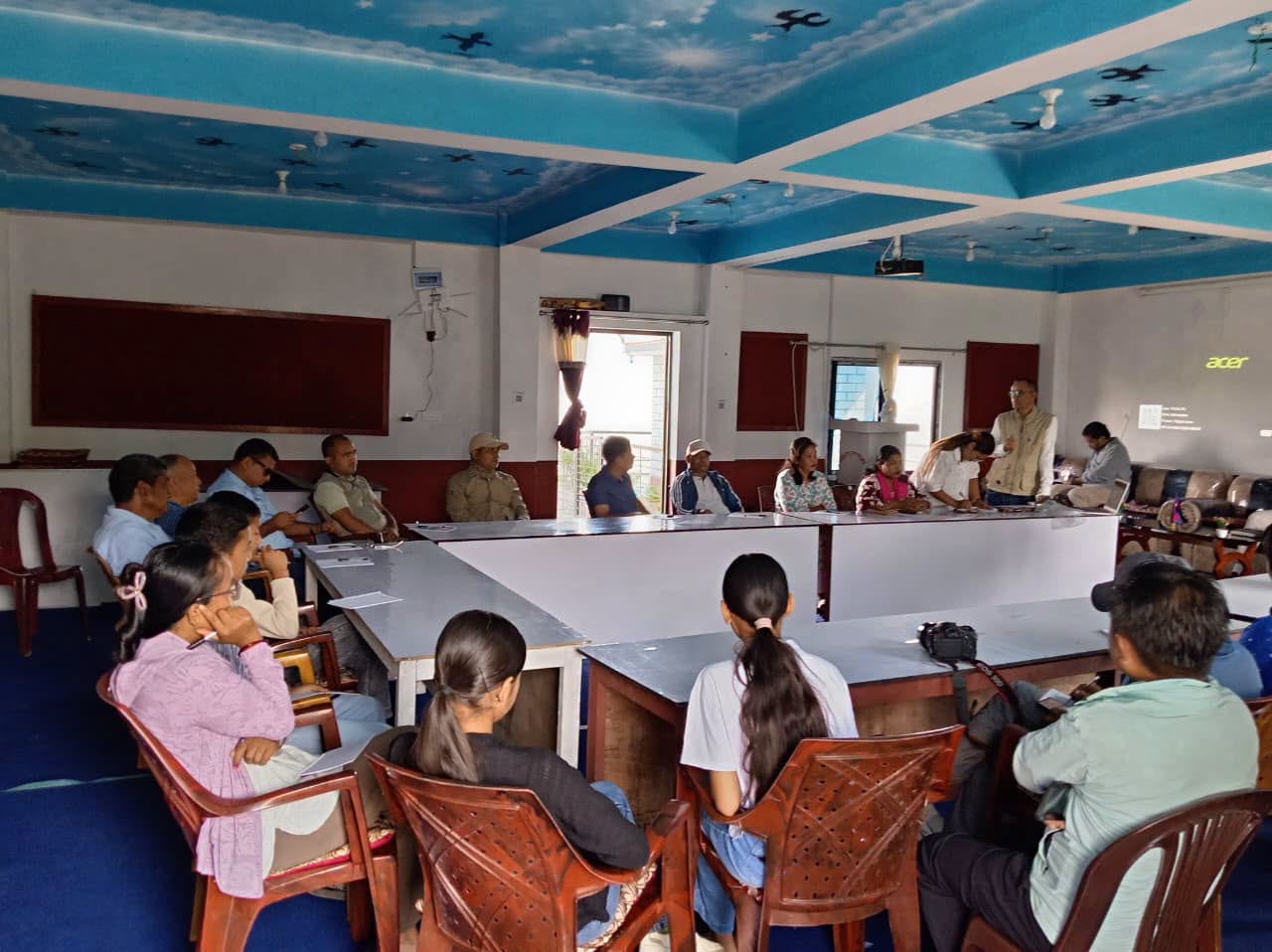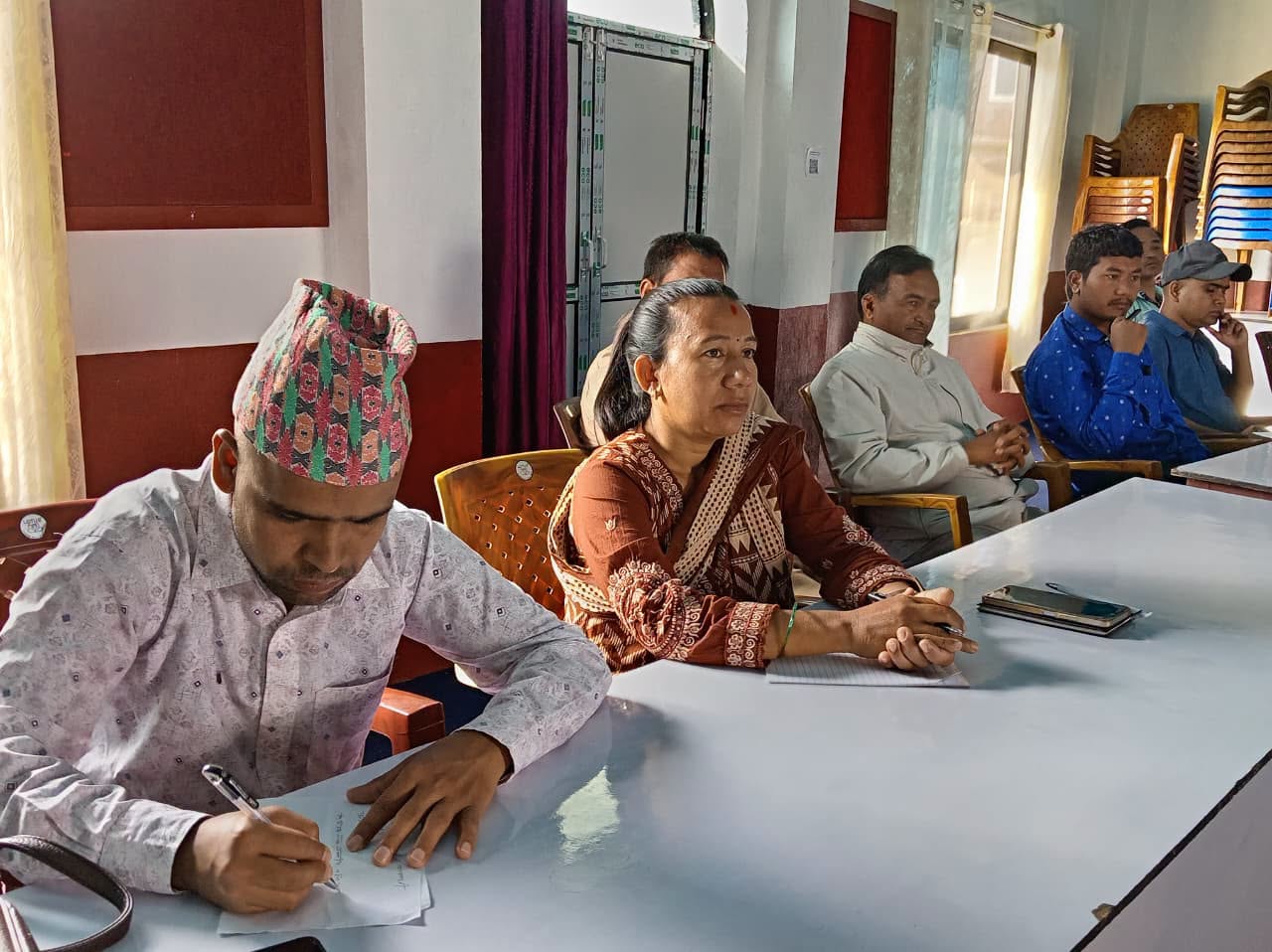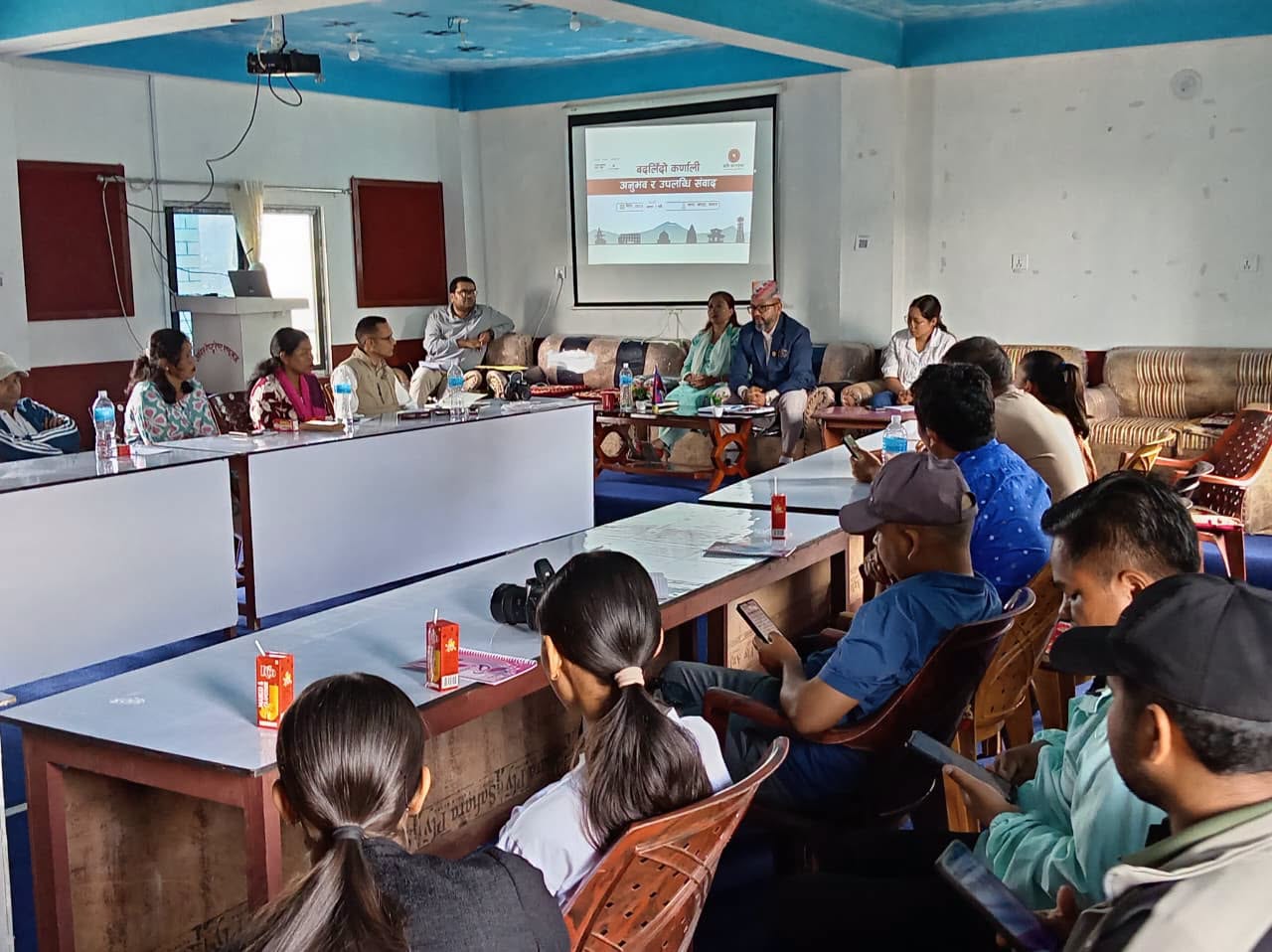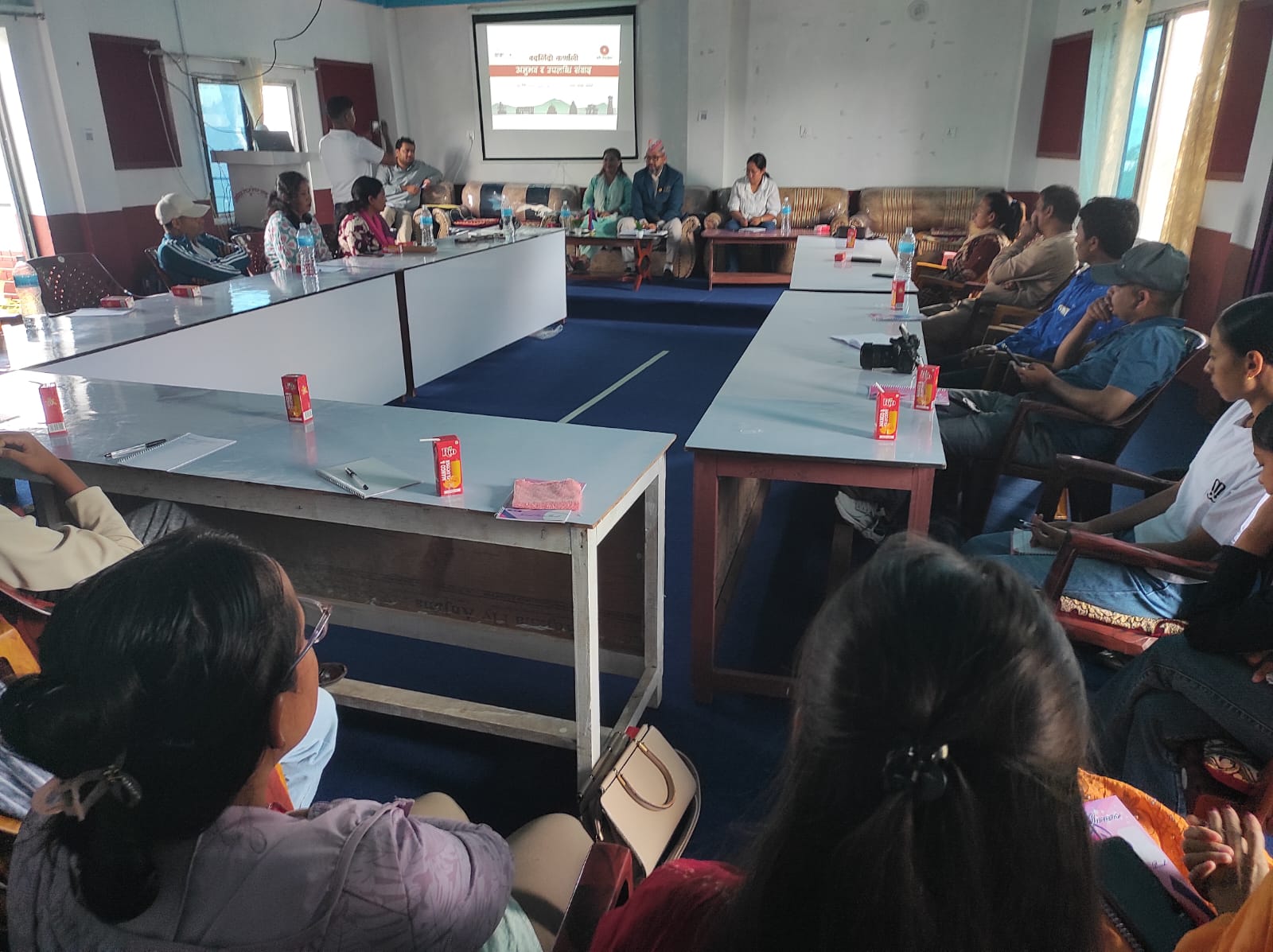
The latest edition of Badalido Karnali Dialogue concluded in Khalanga, Salyan, bringing together local government representatives, professors, farmers, entrepreneurs, cooperative leaders, journalists, and youth to discuss the progress and persistent challenges of federalism and local development in Karnali on JUne 15, 2026. A total of 29 participants, including the Mayor, Deputy Mayor, and two ward chairpersons, participated in the dialogue.
The discussion highlighted that although significant improvements have been made in road connectivity, access to public services, and local infrastructure since the introduction of federalism, challenges related to employment, agricultural commercialization, and local economic development continue to hinder the region’s progress.
Speaking at the event, Mayor Prakash Bhandari stressed that federalism has significantly improved local governance and infrastructure development, but the economic benefits have yet to fully reach citizens. Mayor noted that the municipality has been attempting to institutionalize Corporate Social Responsibility (CSR) initiatives and promote a culture of community participation and volunteerism. However, he acknowledged that efforts to revive the tradition of Shramdaan (voluntary community labor) have not been fully successful.
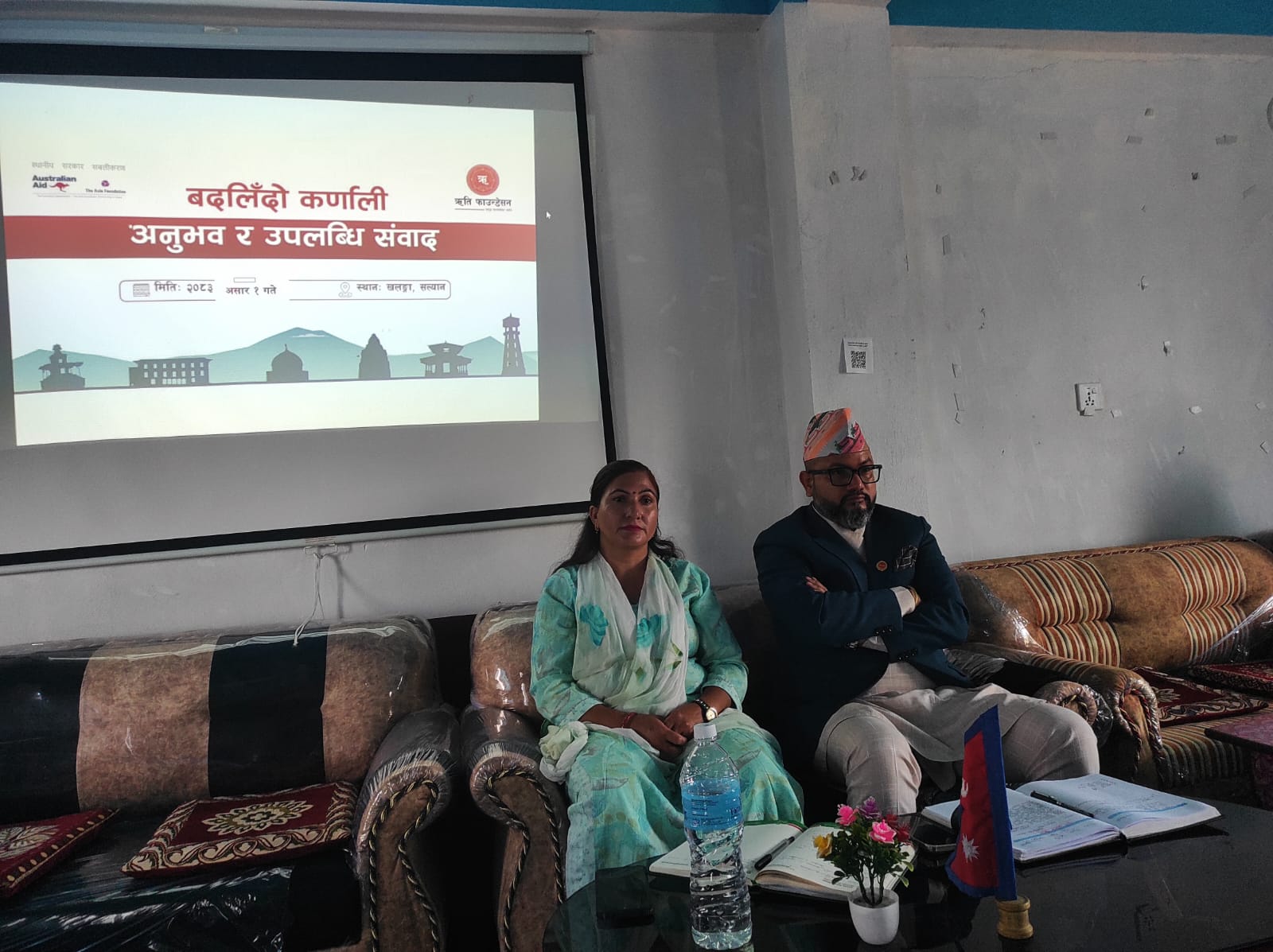
He emphasized that local governments need greater fiscal autonomy and resources to implement transformative projects. “A municipality’s budget alone cannot finance large-scale infrastructure such as cold storage facilities, which are essential for strengthening the agricultural economy,” he remarked, calling for greater investment and support from provincial and federal government. Mayor Bhandari also expressed concern that national policies and subsidy schemes often fail to reflect local realities. He cited examples where federal criteria for agricultural grants do not align with local landholding patterns and farming systems, limiting access for many farmers.
Highlighting the importance of promoting successful local initiatives, he argued that municipalities delivering good results should receive greater recognition and support. He also shared that the municipality has been exploring the concept of establishing a local think tank to generate evidence-based policy recommendations and strengthen local development planning.
Participants acknowledged that federalism has brought substantial improvements in road access and public service delivery. Ward representatives noted that almost every ward and settlement is now connected by road, improving mobility and market access. However, concerns were raised about the quality and sustainability of infrastructure investments. Participants observed that many roads remain incomplete and that scattered investments have not always translated into meaningful economic transformation.
Farmers and entrepreneurs highlighted persistent challenges, including inadequate irrigation, limited access to fertilizers, weak market systems, and increasing threats from wildlife and invasive plant species. Participants also pointed to the absence of cold storage facilities and insufficient investment in vocational and technical education.
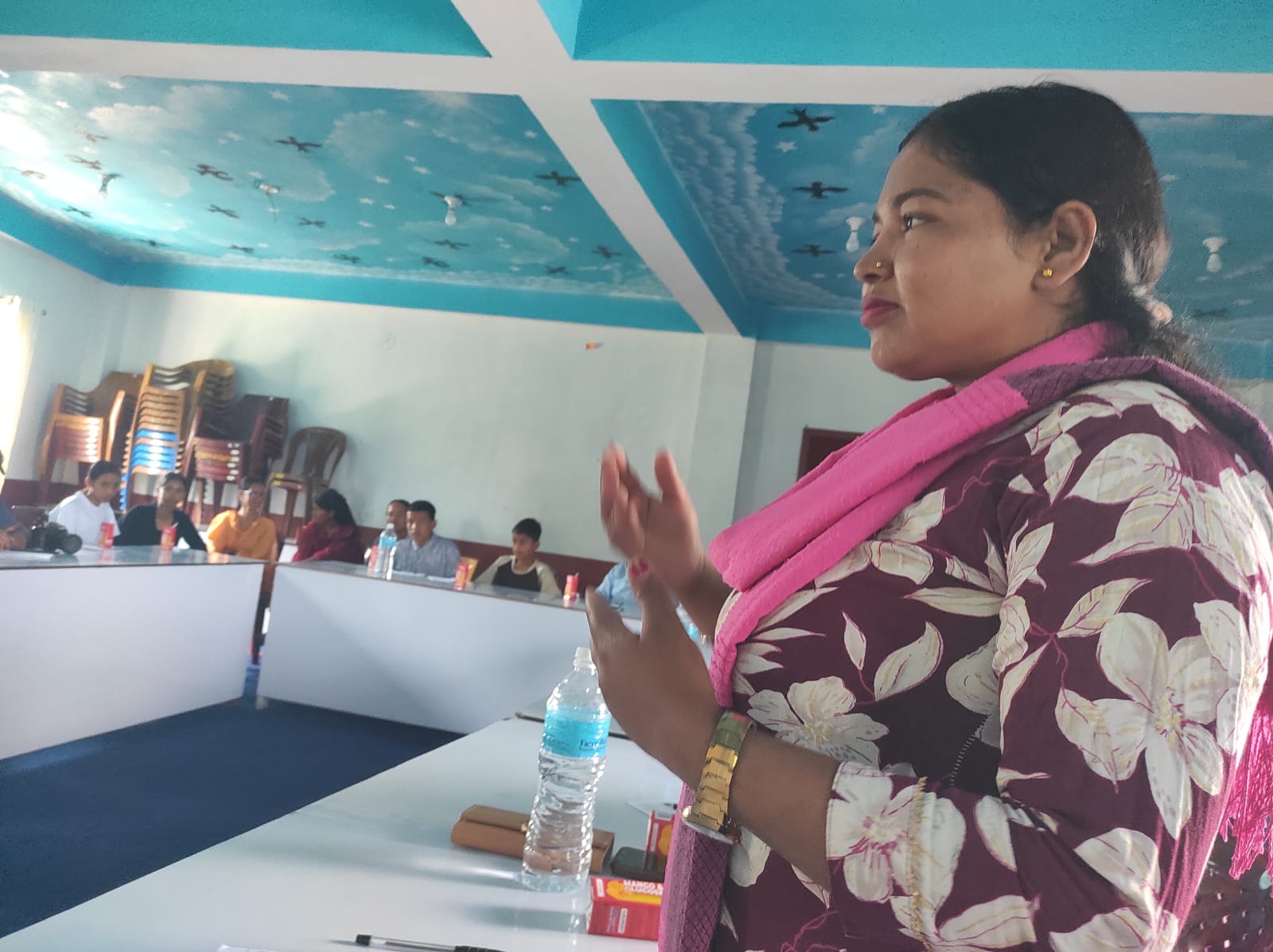
Several participants stressed the need to strengthen rural economic systems, improve financial literacy, and enhance coordination among different levels of government. Discussions also focused on the importance of engaging the private sector in infrastructure development and creating policies that support entrepreneurship and employment generation. Participants further argued that local governments should be entrusted with greater authority and resources to address local needs effectively, particularly in areas such as agriculture, tourism, and service delivery.