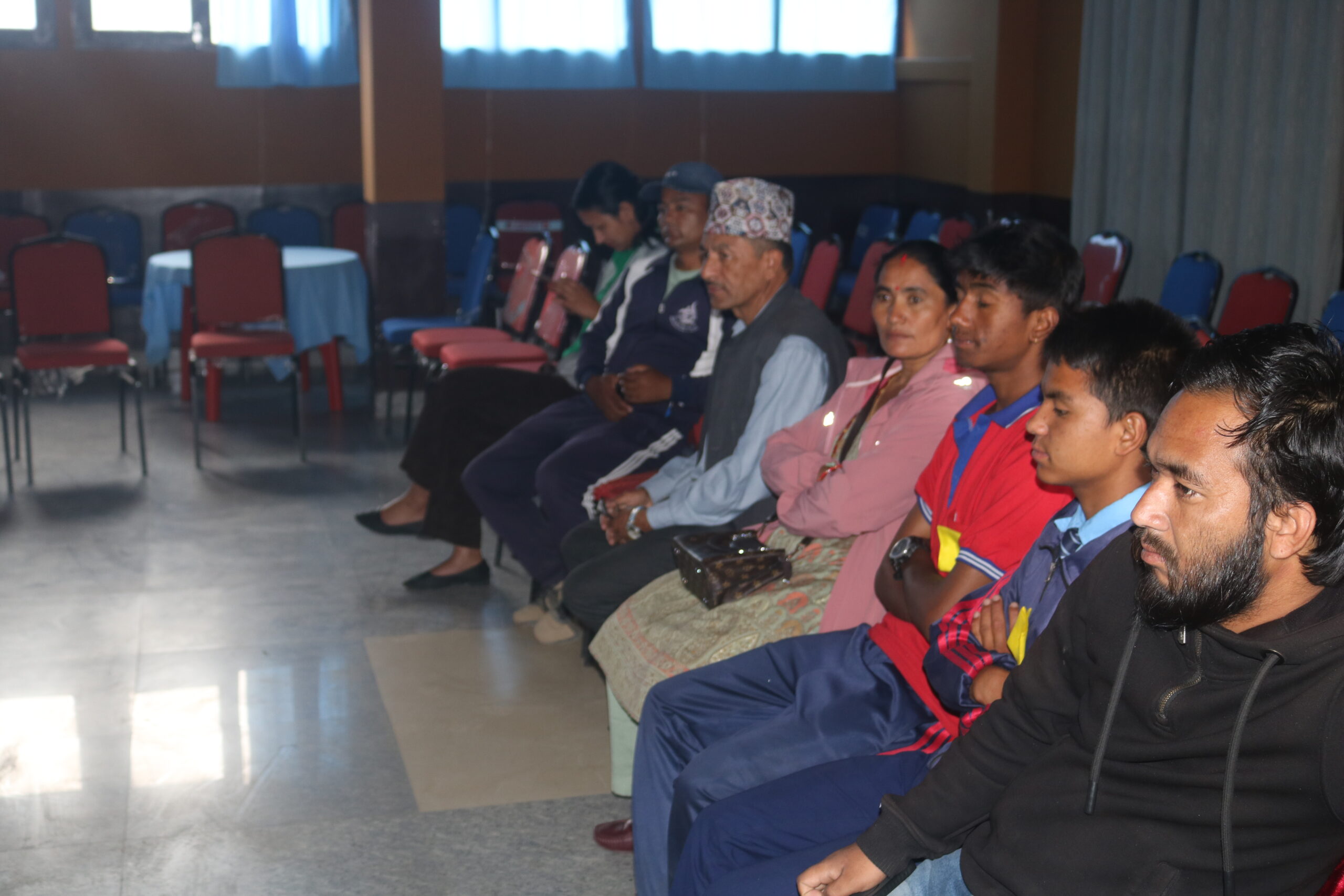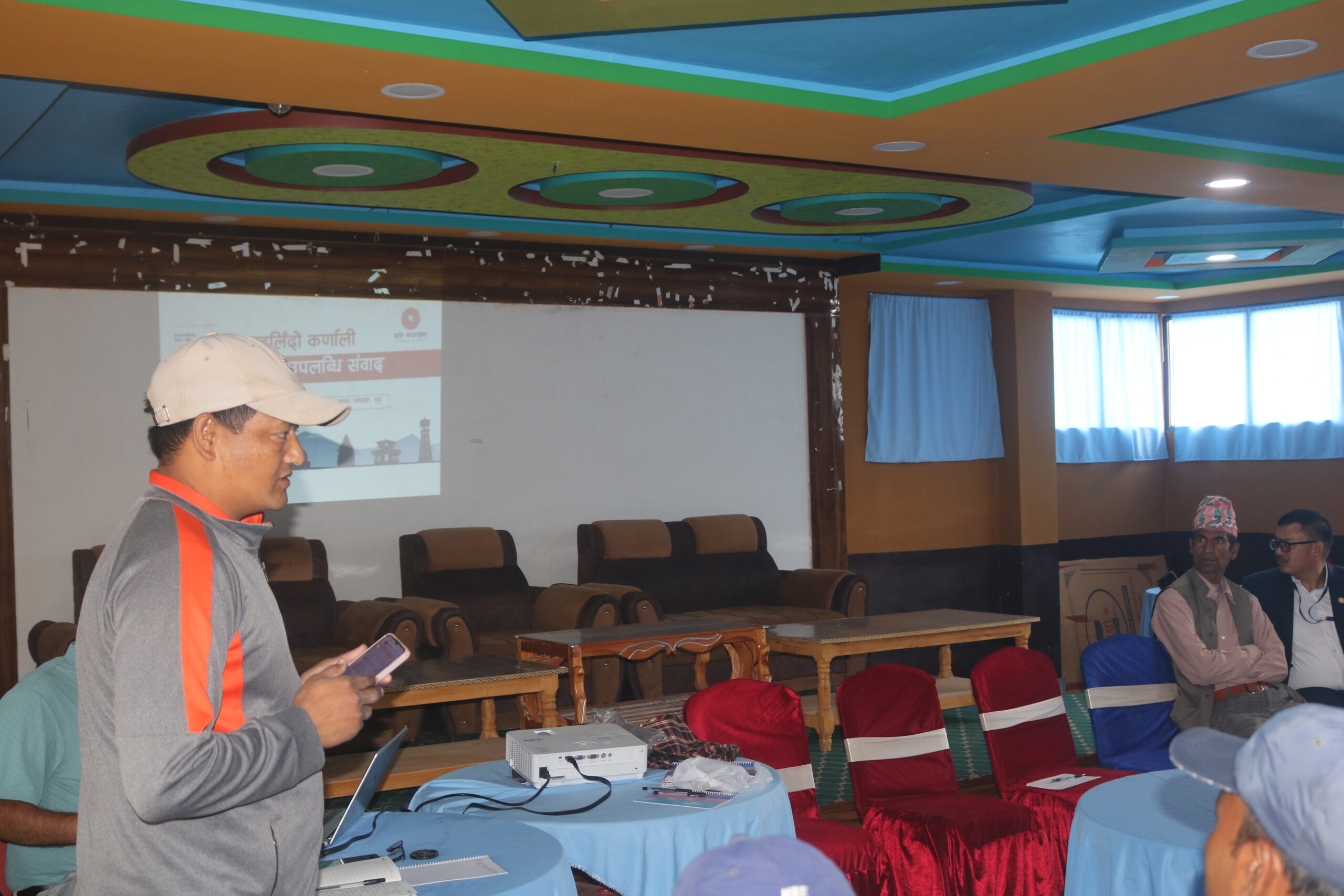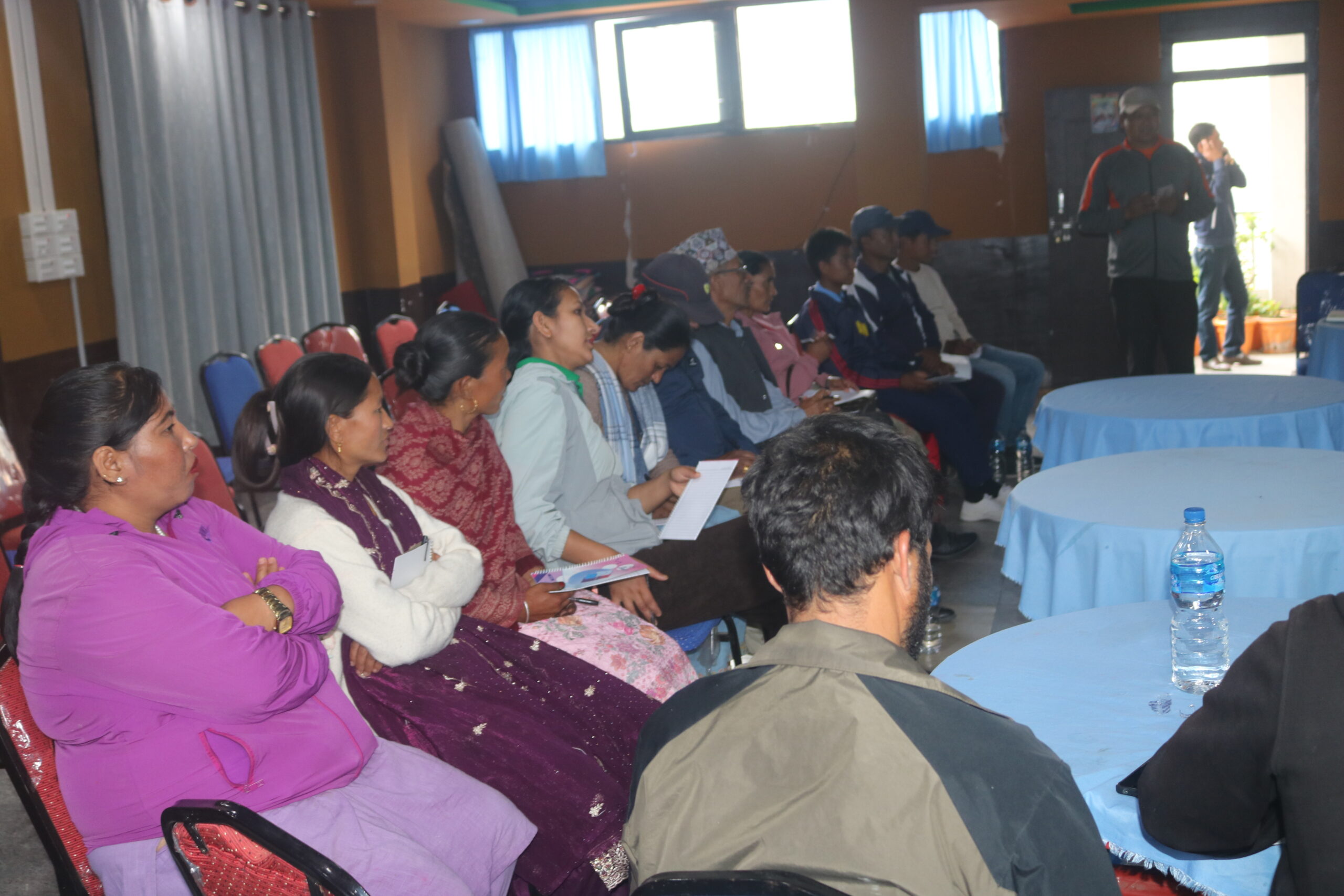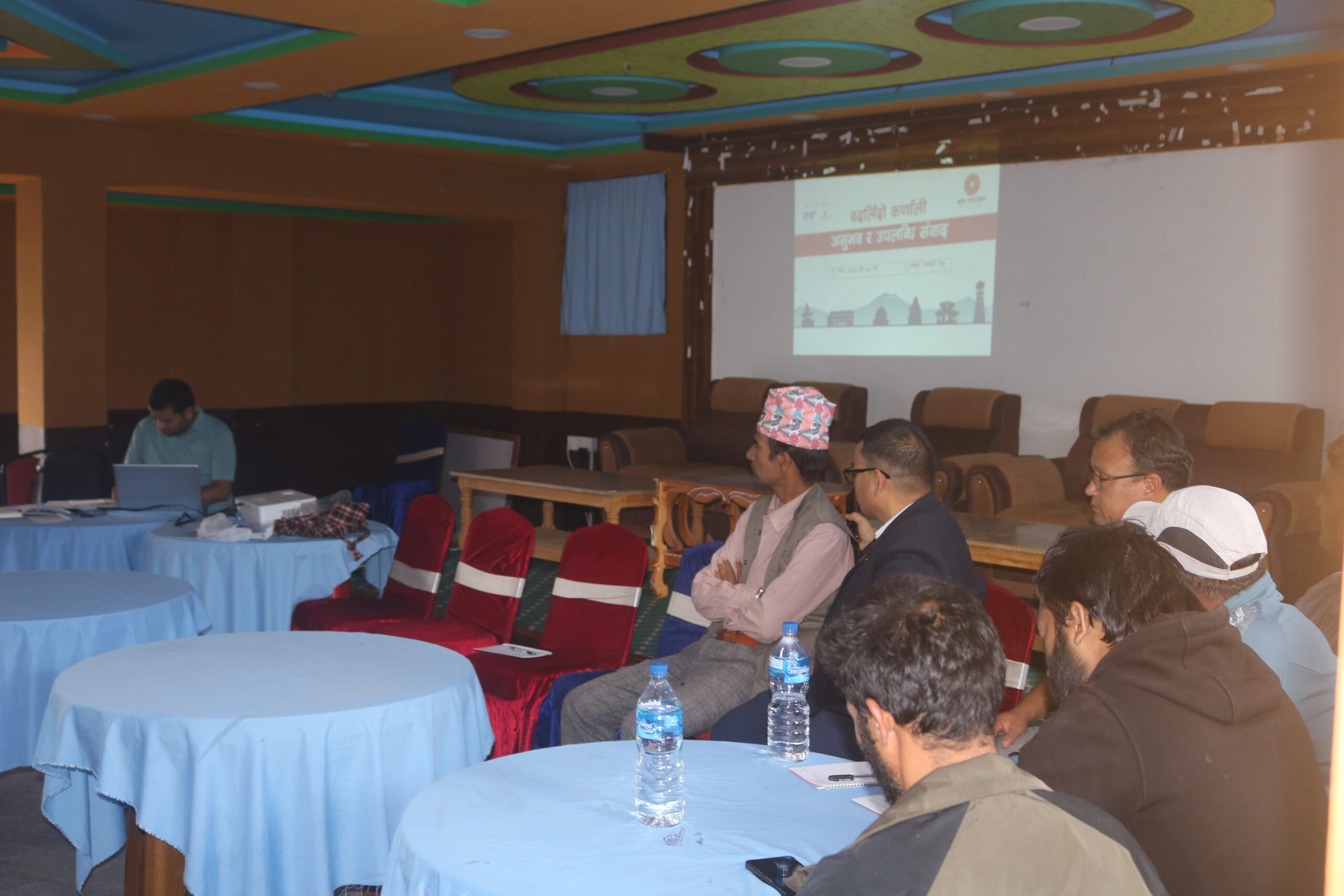
Hriti Foundation, in partnership with Subnational Governance Program (SNGP), organized a dialogue titled “Badalido Karnali: Experiences and Achievements” in Gamgadhi, Mugu on 10 June 2026. Participants of the Badalido Karnali highlighted that while Rara Lake has significantly improved the identity of Mugu and created opportunities for tourism development, policy inconsistencies, weak infrastructure, and inadequate investment have prevented local communities from fully benefiting from its potential.
During the dialogue, local elected representatives, entrepreneurs, educators, journalists, civil society members, and farmers discussed the opportunities and challenges surrounding tourism and development in Mugu.
Ward Chairperson of Chhayanath Rara Municipality Ward No. 1, Padam Raj Malla, argued that conflicting policies among the federal government, local governments, and the Rara National Park have created obstacles to maximizing the benefits of tourism. He stressed the need to promote homestays, improve accommodation and food services, and reopen the Nakche Lagna border point to enhance economic opportunities. He also emphasized that development budgets often fail to reach remote areas of Mugu and remain concentrated in initial implementation points.
Representatives from the education sector noted that although local governments allocate around ten percent of their budgets to education annually, gaps remain in supervision and coordination between federal and local education laws. They also pointed out that school infrastructure projects from the provincial government are often not based on actual local needs.
District President of the Federation of Nepalese Chambers of Commerce and Industry (FNCCI), Kamal Bahadur Budha, observed that the district-level programs were declined after federalization and called for greater coordination between the provincial government, local governments, and the private sector. He further emphasized promoting local economic development through stronger engagement with FNCCI.
Journalists and civil society representatives raised concerns about incomplete infrastructure projects, including the abandoned cycle lane project and poor road connectivity to Gamgadhi. They questioned whether tourism in Rara has effectively generated employment opportunities for local communities. Representatives from development organizations also highlighted that many development programs remain concentrated in accessible districts, particularly Surkhet, leaving remote districts like Mugu with limited access to donor-supported initiatives and investments.
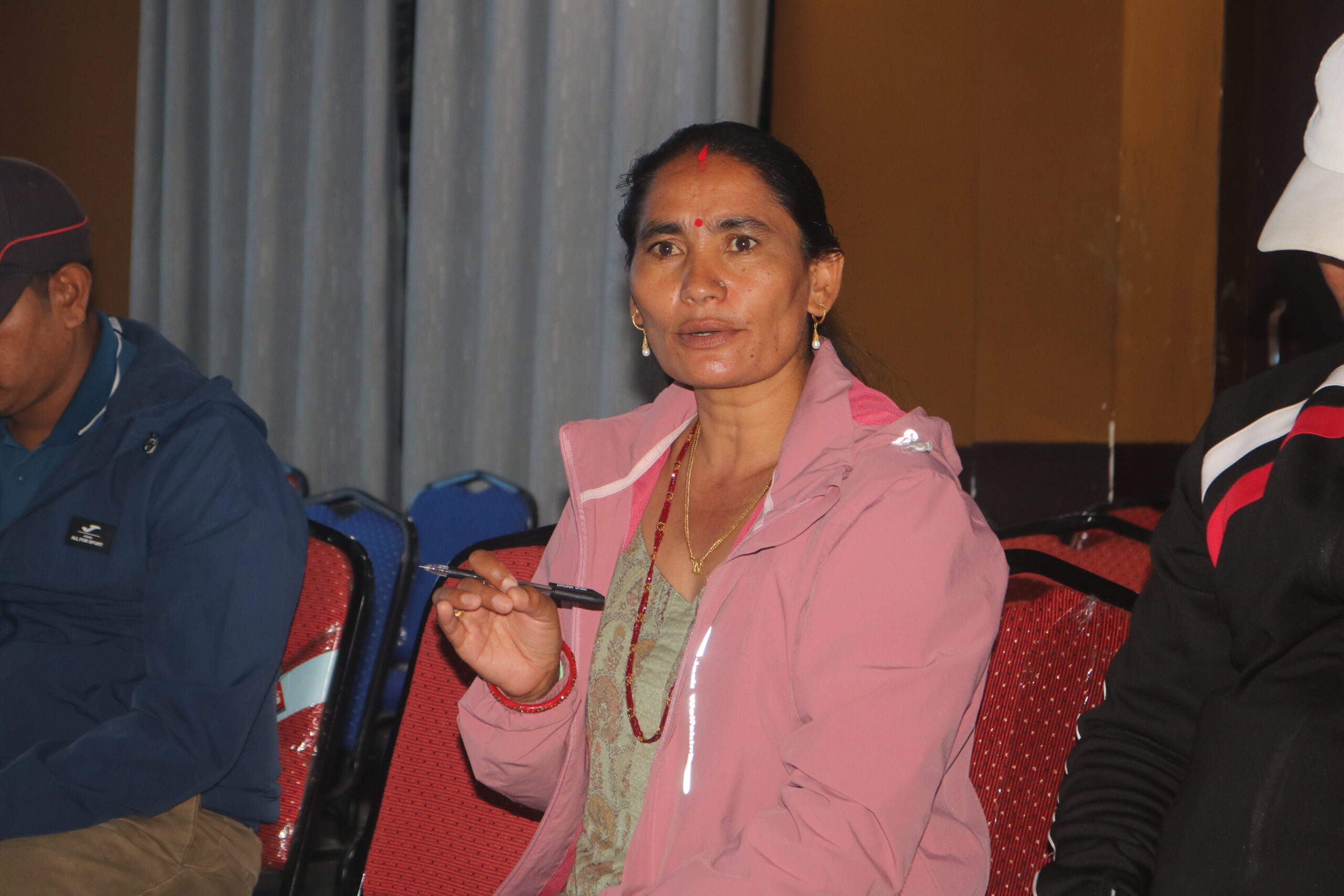
Women participants and local farmers stressed the need for equitable budget distribution, improved transportation infrastructure, and better access to agricultural insurance and markets. Apple farmers noted that poor road conditions and limited transportation options make it difficult to transport their produce to markets.
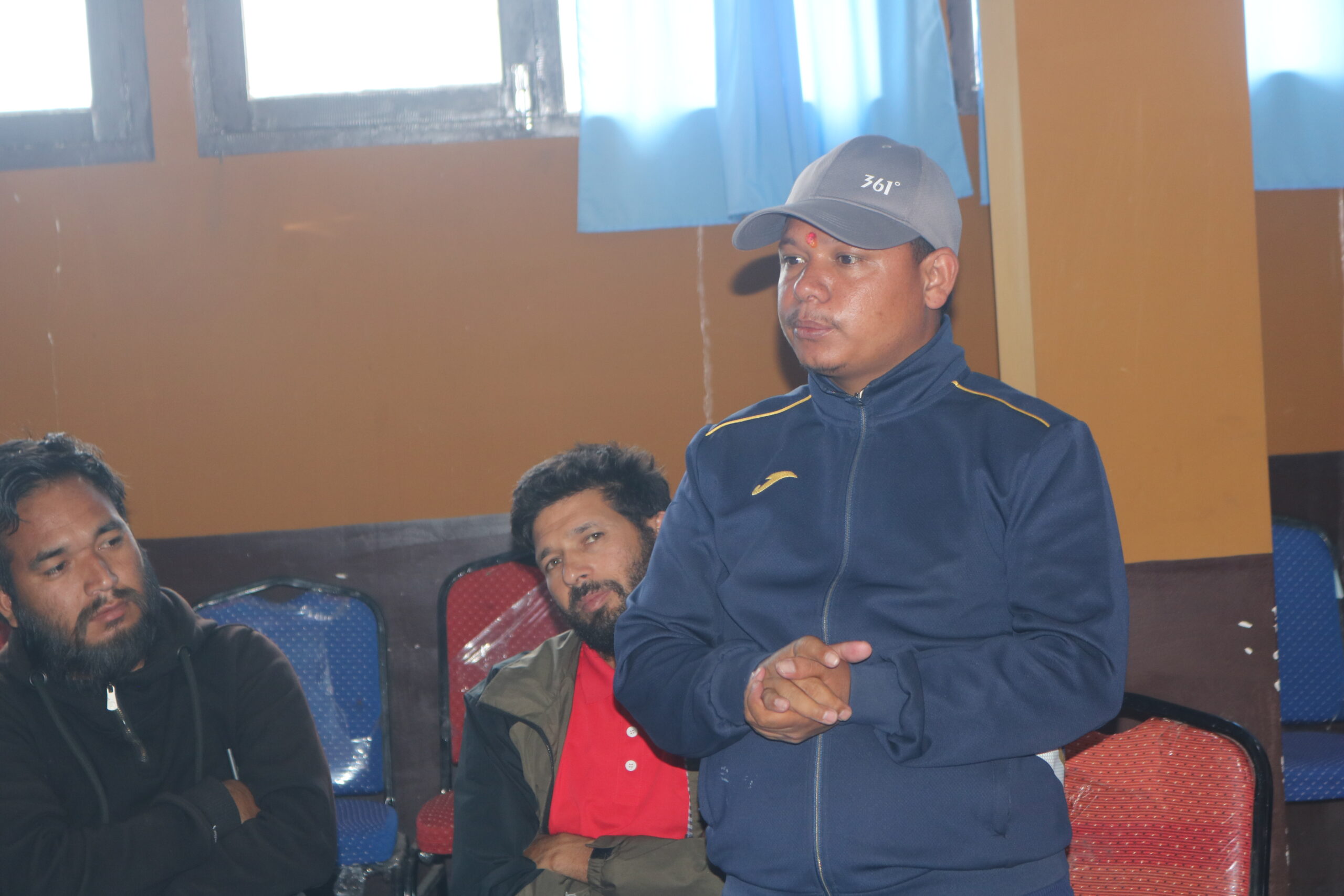
Mayor of Chhayanath Rara Municipality, Bishnu Kumar Bham, stated that the image of Gamgadhi and Mugu has changed considerably in recent years and that provincial resources have contributed to local development. He emphasized the need for positive thinking, behavioral change, and geographically balanced provincial priorities to ensure inclusive development across Karnali.
Participants concluded that despite improvements in infrastructure, governance, and service delivery, Mugu’s immense tourism and economic potential—particularly around Rara Lake—will remain underutilized unless policy barriers are addressed, investments are decentralized, and local communities are meaningfully integrated into tourism and development planning.
The Badalido Karnali Dialogue Series is an initiative of Hriti Foundation aimed at documenting citizens’ experiences and perceptions regarding federalism, governance, development, and socio-economic transformation across Karnali Province.