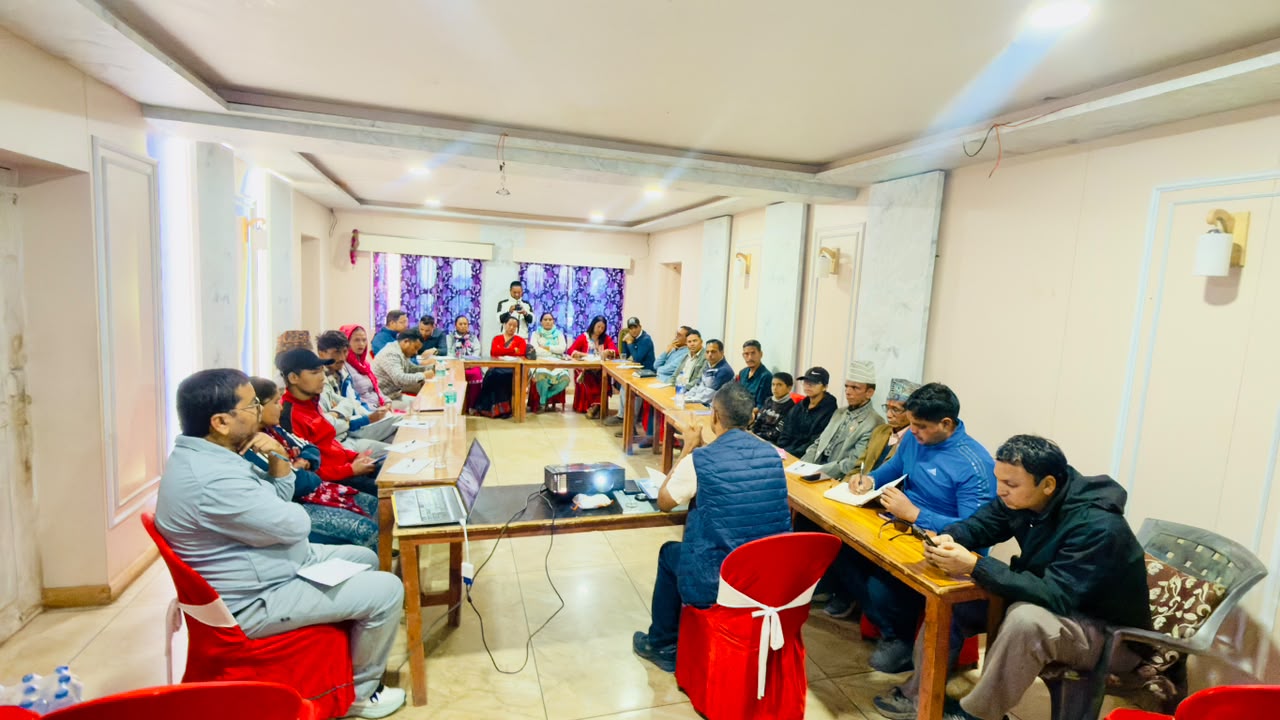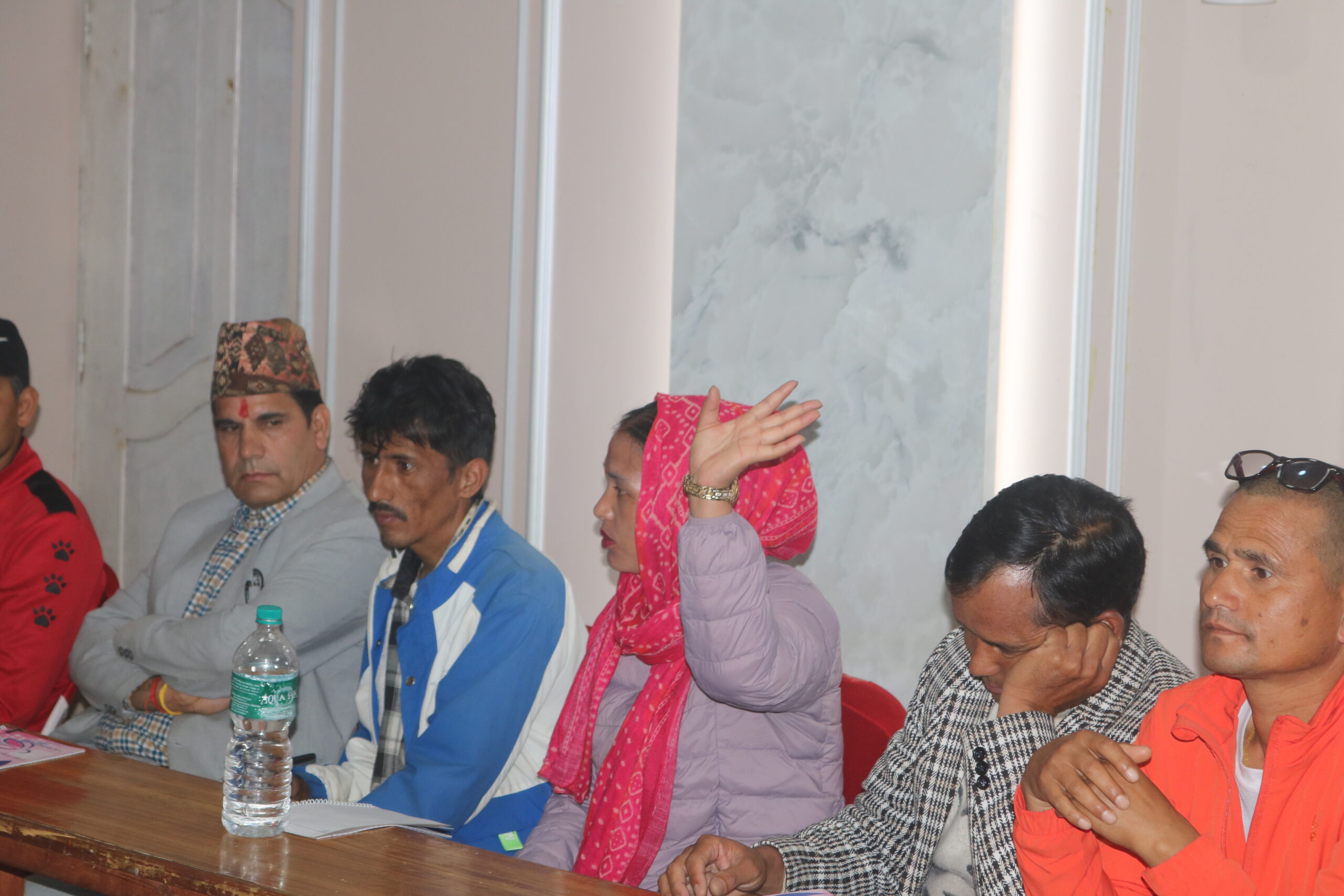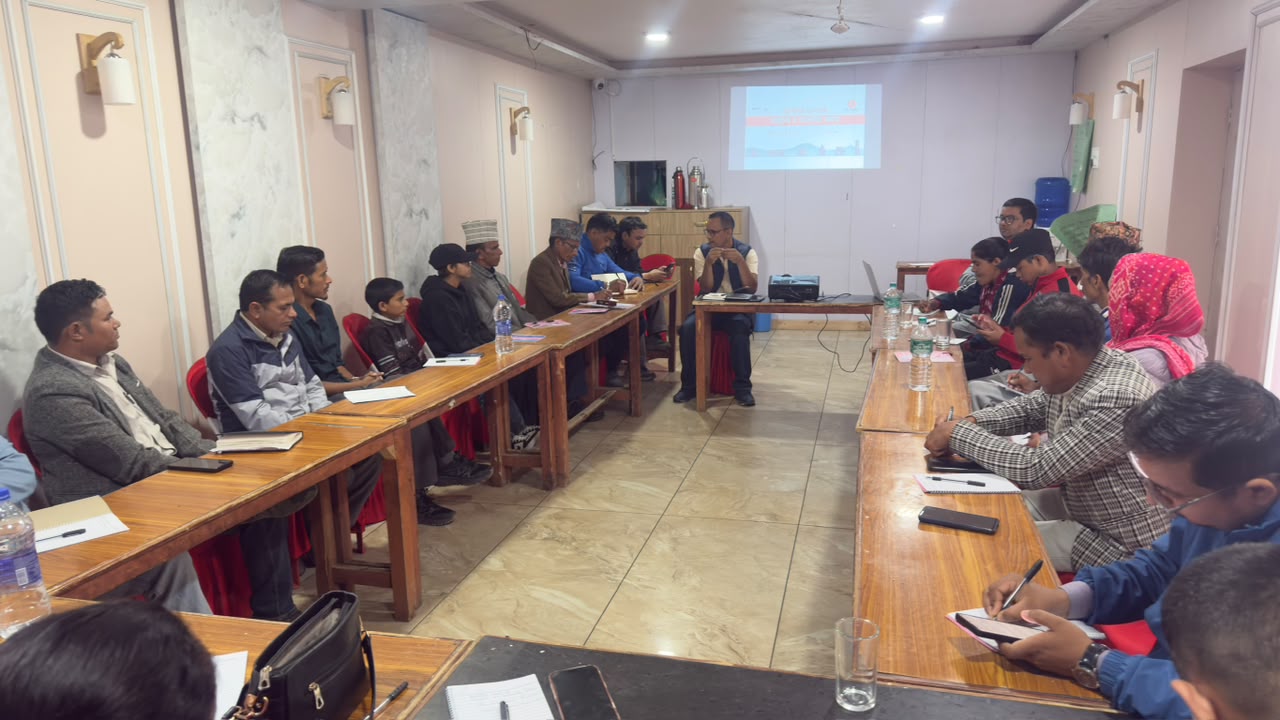
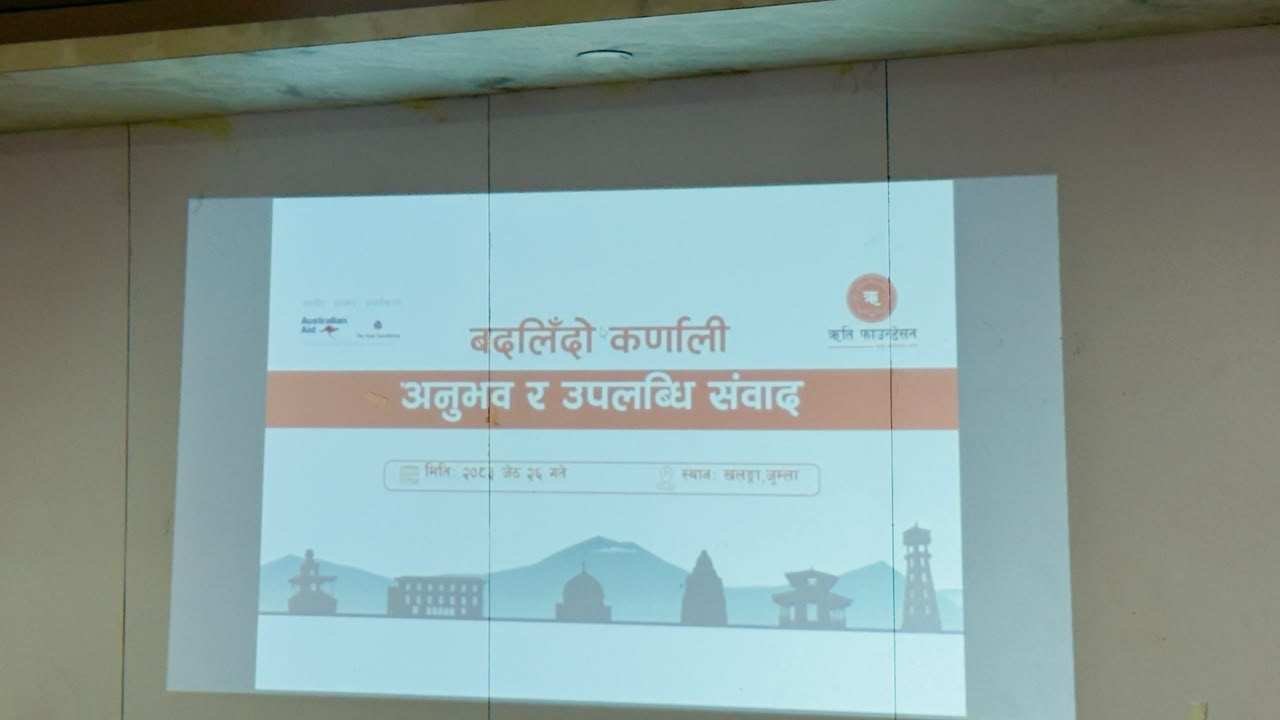
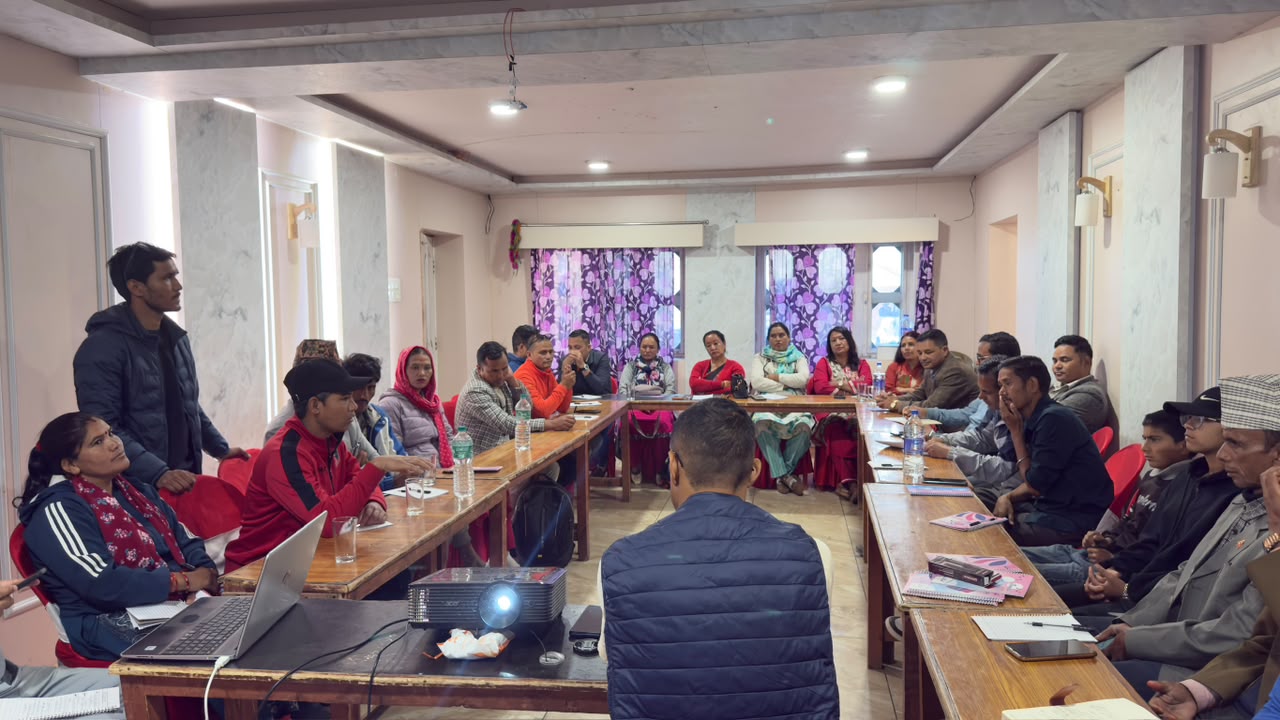
Hriti Foundation, in partnership with Subnational Governance Program (SNGP), organized a dialogue titled “Badalido Karnali: Experiences and Achievements” in Khalanga, Jumla on 9 June 2026. The program brought together local government representatives, entrepreneurs, civil society leaders, political party representatives, journalists, farmers, teachers, students, and private sector actors to reflect on the impacts and challenges of federalism at the district level.
Participants highlighted significant changes witnessed in Karnali over the past decade. Improved road connectivity, expanded banking services, rural electrification, internet access, and better access to health and education services were identified as major achievements of federalism. Several speakers noted that development planning has become more accessible, with local governments now playing a central role in identifying and implementing local priorities.
Women’s empowerment and inclusive representation were also recognized as important gains. Speakers shared that women’s participation in leadership and economic activities has increased, while local citizens have become more aware of governance and development processes.
Despite these achievements, participants also identified several challenges. Weak coordination between provincial and local governments, inadequate health infrastructure, youth outmigration, and limited employment opportunities remain pressing concerns. Participants from the agriculture sector stressed the need for better support for Jumla’s apple industry, including cold storage facilities, branding, grading technology, and farmer-friendly insurance schemes.
Apple farmer and renown entrepreneur Deurishi Chaulagain emphasized the immense potential of Jumla’s apple industry and the need to strengthen its value chain. He pointed out that although the district has 52 small cold storage facilities, most of them are not operational, limiting farmers’ ability to store and market their produce effectively. He also highlighted challenges related to grading machines, electricity supply, fertilizers, and packaging materials such as crates. According to him, Jumla has entrepreneurs capable of exporting apples to international markets, but targeted investments and better infrastructure are essential to unlock the sector’s full potential.
Stakeholders further emphasized the importance of promoting local entrepreneurship, strengthening Upper Karnali’s development agenda, and ensuring more localized policy dialogues to create greater ownership of federalism.
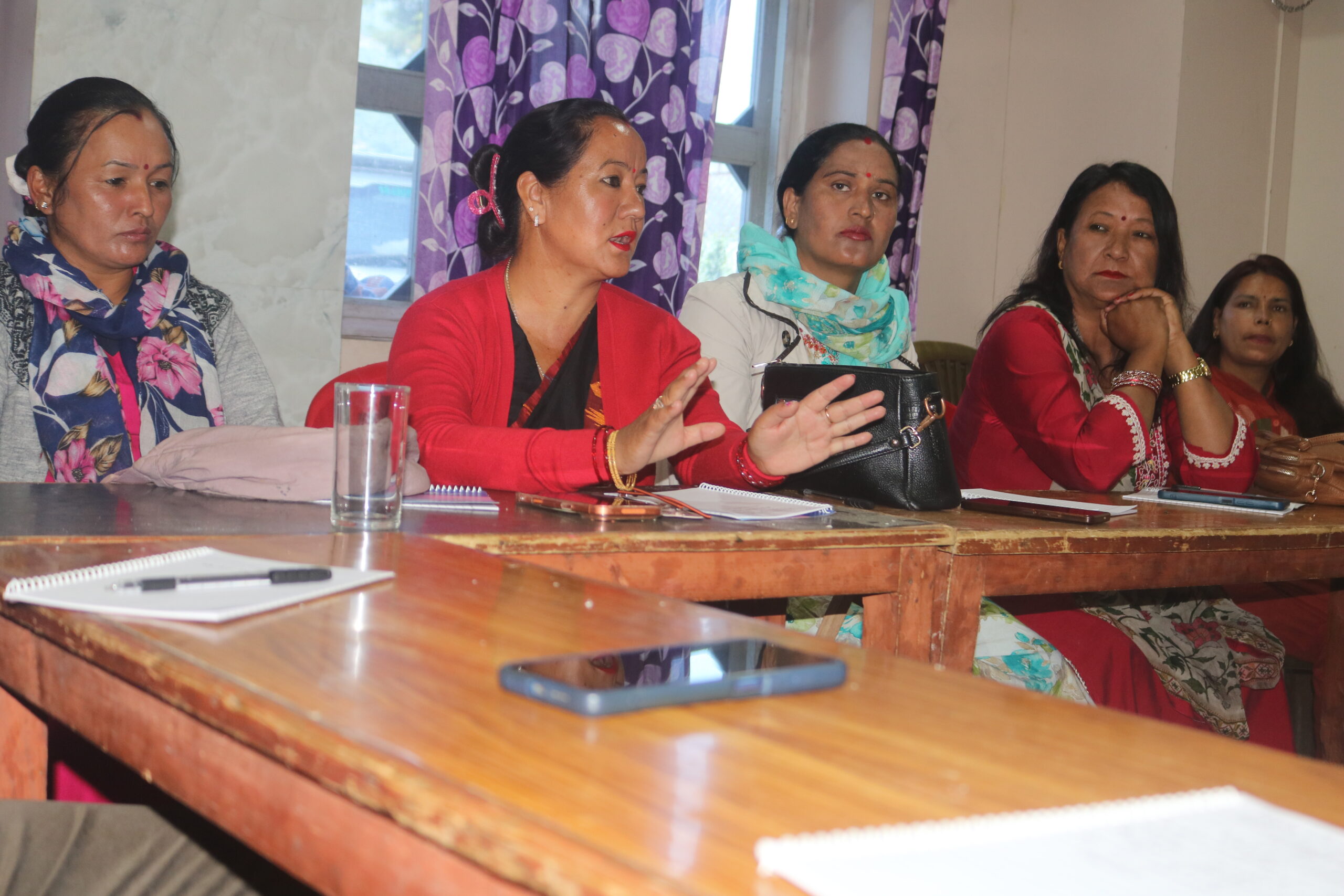
During the dialogue, Ram Devi Khadka, Deputy Mayor of Chandanath Municipality, shared that federalism has brought noticeable improvements in service delivery at the local level. She noted that all ten wards of the municipality now have health posts and that citizens’ trust in local health facilities has increased significantly. According to her, patients can now receive timely support and transportation to hospitals when needed. She also highlighted improvements in education, mentioning that schools have begun using smart boards to enhance learning. However, she stressed that waste management remains a major challenge for Chandannath Municipality and called for greater provincial attention to the development needs of Upper Karnali and the improvement of the Karnali Highway.
The dialogue provided an important platform for local stakeholders to share their experiences and recommendations, contributing to evidence-based discussions on strengthening federal governance and promoting inclusive development in Karnali Province.