
A compelling discussion on youth-led movements, political transformation, and the evolving role of young leaders took center stage during the seventh edition of Karnali Utsav – Kuda Karnalika. The session, titled “Gen Z: From the Streets to Parliament,” brought together key figures of Nepal’s Gen Z movement and emerging political leadership to reflect on the movement’s impact on governance, accountability, and democratic participation.
Moderated by journalist Aditya Nepal, the session featured Member of Parliament Manish Khanal along with Gen Z movement leaders Prakash Bohora, Rakshya Bam, and Dhiraj Joshi. Discussions centered on the last September youth-led protests, the political developments that followed, and the responsibilities of a new generation that has transitioned from civic activism to formal political representation.
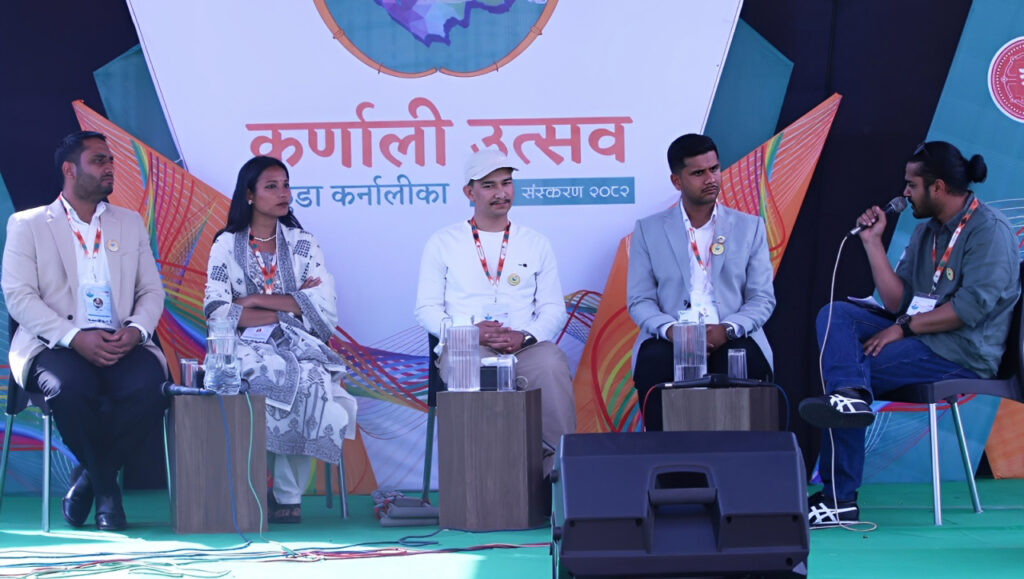
Speaking during the session, MP Manish Khanal described the Gen Z movement as a historic turning point in Nepal’s political journey. He noted that the movement represented more than dissatisfaction with the status quo; it reflected widespread public concerns over corruption, poor governance, impunity, and declining trust in state institutions. According to him, the movement created space for a new generation of leaders to enter politics and contribute to democratic reform through constitutional and electoral processes. Khanal emphasized that youth participation in politics should not be viewed as a replacement for previous generations but as a process of collaboration, knowledge sharing, and responsible leadership transfer. He highlighted the importance of maintaining continuous dialogue with citizens, ensuring accountability, and transforming public demands into sustainable policy reforms. He also stressed that meaningful change requires not only activism but also effective laws, institutions, and governance mechanisms capable of delivering long-term results.
The discussion further explored how young leaders can strengthen democratic culture by promoting transparency, civic engagement, and evidence-based policymaking. Participants reflected on the need to institutionalize the aspirations that emerged from the movement and ensure that public demands for good governance are translated into concrete reforms.
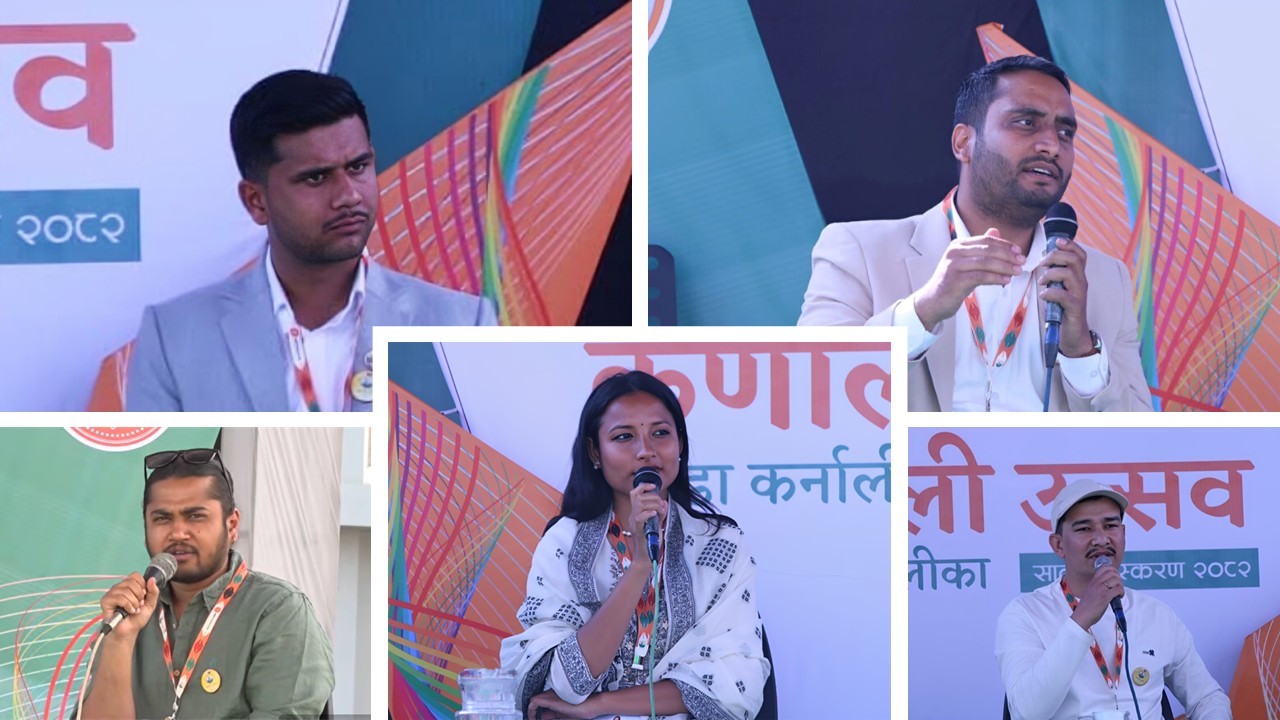
The session concluded with a broader reflection on the future of Nepal’s democracy and the role of young citizens in shaping accountable and responsive governance. Participants agreed that sustained civic engagement, inclusive dialogue, and commitment to democratic values are essential to achieving the transformative change envisioned by the movement.
Key Recommendations
1. Institutionalize Youth Participation in Governance
Create meaningful and structured mechanisms for youth engagement in policy formulation, legislative processes, and public decision-making at local, provincial, and federal levels.
2. Strengthen Accountability and Transparency
Address public concerns regarding corruption, impunity, and weak governance through stronger oversight mechanisms, transparent institutions, and citizen monitoring.
3. Promote Evidence-Based Policymaking
Ensure that public policies and legislative reforms are informed by research, citizen feedback, and evidence rather than short-term political interests.
4. Transform Civic Movements into Sustainable Democratic Engagement
Encourage youth-led civic activism to evolve into long-term democratic participation through political representation, policy advocacy, and constructive dialogue with government institutions.
5. Promote Intergenerational Leadership and Collaboration
Promote cooperation between experienced leaders and emerging youth leaders to strengthen democratic institutions, facilitate knowledge transfer, and ensure inclusive governance.
You can read the session summary in Nepali language by clicking this link.
Watch the Full Session Video
“`
